
Meditation can be a way to pause, notice your experience and return your attention to something you have chosen. Some people approach it as a spiritual practice; others use it as an everyday exercise in attention. You can choose an approach that fits your beliefs.
You do not need a special pose, a perfectly quiet mind or a promise of transformation to begin. A brief, comfortable practice can give you information about whether this approach suits you.
On this page
1. Start with realistic expectations
The NCCIH overview of meditation and mindfulness describes possible benefits for stress, anxiety and sleep, while noting limitations in the research. Different practices and programmes have been studied, and results do not apply equally to everyone.
Consider a modest aim, such as taking a short pause or noticing when attention wanders. Meditation cannot guarantee happiness, weight loss, stronger immunity or a longer life. It should not replace care for a health concern.
2. Practise returning rather than clearing your mind
Choose a simple focus: a sound in the room, the feeling of your feet on the floor or comfortable breathing. When a thought appears, notice that attention has moved and gently return to your focus.
Having thoughts does not mean the practice has failed. You are practising a return, not proving that you can stop thinking. This also does not establish that your mind and body are separate entities; spiritual interpretations remain a matter of belief.
3. Make room for feelings without obeying every impulse
You might notice irritation, sadness or impatience during a quiet moment. Try naming the feeling without turning it into an insult about yourself. Then choose what to do next.
Feeling angry does not require acting aggressively. You can step away, seek support or plan a calmer conversation. Meditation is one possible place to practise noticing; it does not remove responsibility for your actions or make every situation safe.
4. Try an optional two-minute practice
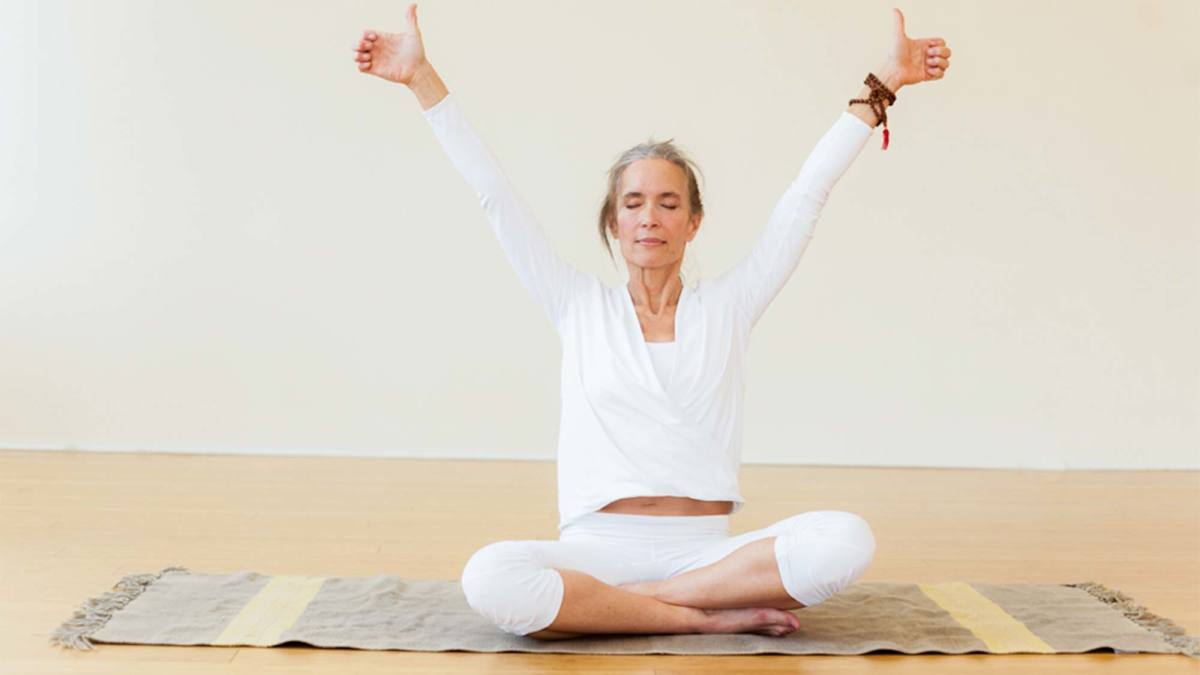
Choose a time when you do not need to drive, supervise a risky activity or respond to something urgent. Sit in a supported position, or choose another comfortable posture. Keep your eyes open if you prefer.
- Notice the room and the support beneath you.
- Choose a neutral sound or another comfortable point of attention.
- When attention wanders, return gently without criticising yourself.
- After a minute or two, look around and decide what you need next.
There is no requirement to complete a set duration. You can stop sooner, move or speak with someone. A shorter practice is still a valid way to explore what suits you.
5. Connect the pause to an ordinary need
After practising, ask whether you need rest, food, movement, company or help with a task. Quiet attention does not replace these needs. If a worry has a practical solution, make a small plan rather than expecting it to disappear.
For sleep, you might use a gentle pause as part of winding down. Avoid treating sleep as a test of meditation skill. Persistent sleep difficulties deserve attention even if you already meditate.
6. Adapt or stop when it feels uncomfortable
Meditation is not comfortable for everyone. NCCIH notes that some people report negative experiences, including increased anxiety. If a practice makes you feel distressed, disconnected or overwhelmed, stop and return attention to your surroundings.
You could try a shorter, eyes-open exercise or an ordinary activity instead. If difficulties continue, speak with a qualified health professional. If you choose a teacher, ask about their training, approach and how they respond when a participant needs to stop.
7. Review the fit without judging yourself
After a few brief attempts, ask what you actually notice. Was there a useful pause? Did the exercise feel neutral, pleasant or uncomfortable? You do not have to report a benefit because someone else values the practice.
You can continue, adjust or choose another form of support. Keeping a simple note of your response may help you make that decision. A practice should have a workable place in your life rather than becoming another standard you feel obliged to meet.
This article is a breath of fresh air! I’ve been practicing meditation for a few months now, and I can honestly say it’s transformed my life. The benefits mentioned here are spot on. Highly recommend everyone to give it a try!
Yes! It’s amazing how just a few minutes of meditation can change your entire day. I’m all for spreading the word about its benefits!
Totally agree with you! Meditation has helped me manage my stress levels significantly. It’s like finding an oasis in a desert of chaos.
“Becoming happier through meditation”—finally something that resonates with me! After years of feeling lost, I’ve started meditating regularly and I’m experiencing clarity like never before.
Oh please, do we really need another article glorifying meditation? It’s just sitting quietly and thinking about nothing, right? Let’s not pretend it’s some kind of magic pill for all our problems.
While I appreciate the enthusiasm in this post, it’s important to note that meditation isn’t a one-size-fits-all solution. There are scientific studies that support many claims, but results vary widely among individuals.
This makes me wonder: if we’re all just watching our lives unfold like a movie during meditation, does that mean I can skip work today? Asking for a friend!
As long as your friend doesn’t expect to get paid while binge-watching life from their couch!
I found this post both informative and inspiring! It’s like the universe is giving me a gentle nudge to finally get into meditation after procrastinating for so long.
So according to this article, if I meditate enough I’ll magically become productive and creative? Sounds too good to be true… Maybe I’ll just stick to coffee instead.
Haha! Coffee is great, but don’t knock meditation until you try it. You might find it’s a nice balance with your caffeine fix!
‘Meditation helps with weight loss’? Really? Sounds more like wishful thinking than actual evidence-based advice! If only losing weight was as easy as sitting still and breathing!
@MediocreMartha I think the idea is that meditation promotes mindfulness which can lead to better eating habits, not just ‘sit and lose weight’. It’s all about how you integrate it into your lifestyle.